


You've probably seen the debate play out in keyboard forums: float your wrists, use a wrist rest, or prop your whole forearm up. Turns out researchers have been quietly running the numbers on this — and at least one of the answers might surprise you.
As far as this paper goes: different types of support solve different problems.
While this paper makes it clear that we’re not focusing on wrist postures this go round, we are focusing on the effect of these 3 postures. ...And the fact that I need to tweak my recommendations.
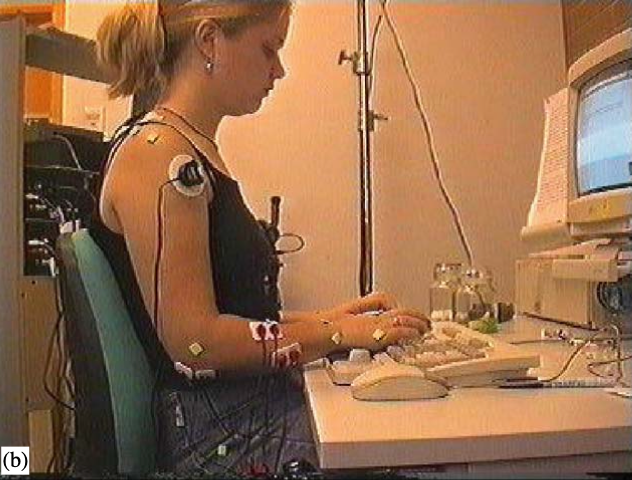
3 Setups at Your Desk
- Floating → no support under your arms
- Wrist support → resting under wrist/palm
- Forearm support → arm supported along desk
When you chat with people about their setup, these are likely to be the three most common ones you hear about. Though I suppose you could be one of those folks that has some support hanging down from the ceiling. (Was that install difficult? Now I’m curious…)
Floating: aka Shoulder Planks.
The one I used to recommend the most was floating.
My thoughts previously? Float wrists! Carpal Tunnel Syndrome is a big concern with long periods of pressure on the wrists. This has got to be the answer.
My thoughts now? Maybe stressing out the muscles that keep the hands/arms afloat is not the best idea.
I’d found before that keeping our wrists in a closer-to-neutral-the-better is a big consideration in ergonomic literature. However: if that posture is achieved with continuous muscle activation to hold your arms in place… you’re basically doing a low-grade plank… with your shoulders… all day.
…Guess what has the highest discomfort reports from the 13 participants? Yes, you’re allowed to take a deep beleaguered sigh. It’s floating. Facepalm.
In practical terms: floating kept wrists in an extreme angle for nearly three-quarters of the session. Forearm support cut that closer to half. Not perfect, but a meaningful improvement.
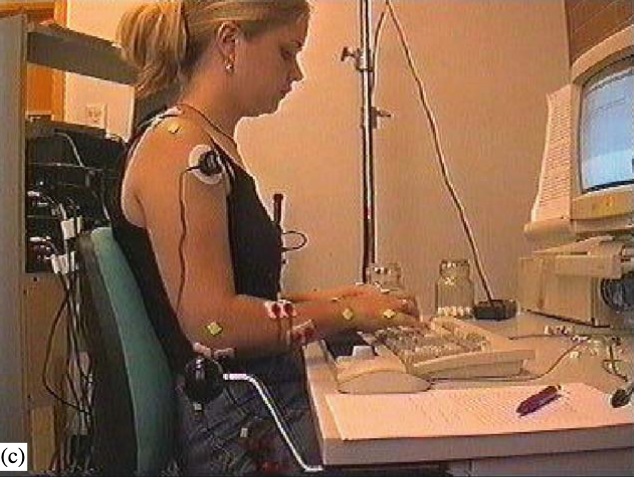
Forearm Support: No extremes, please.
A contender for better support? Forearm support. Giving the whole forearm some help. From the paper, this leads to a reduced ulnar deviation (that's when your wrist bends toward the pinky side — and yes, it matters a lot for RSI risk), and a reduction in time spent in extreme wrist angles.
Extreme wrist postures and contact stress have been reported to increase carpal tunnel pressures (Rempel et al., 1998).
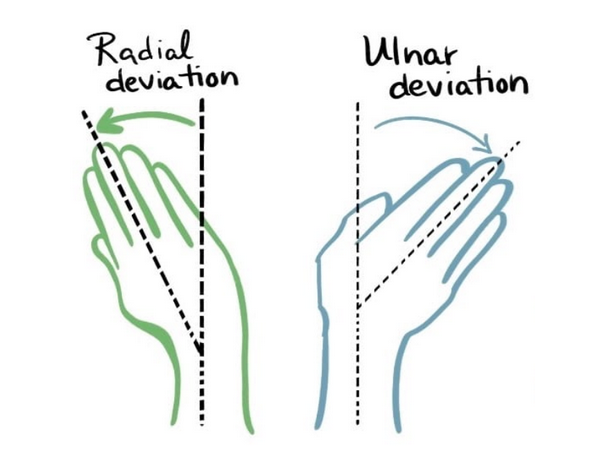
However, while the forearm support reduces extreme wrist angles, it didn’t reduce shoulder muscle activity. As far as this round of testing went, forearm support helps wrists more than shoulders (in this particular setup).
Part of why the forearm support helps wrists is because the arm then pivots at the forearm instead of bending at the wrist. When your arms are supported, movement shifts from your wrist to your whole arm.
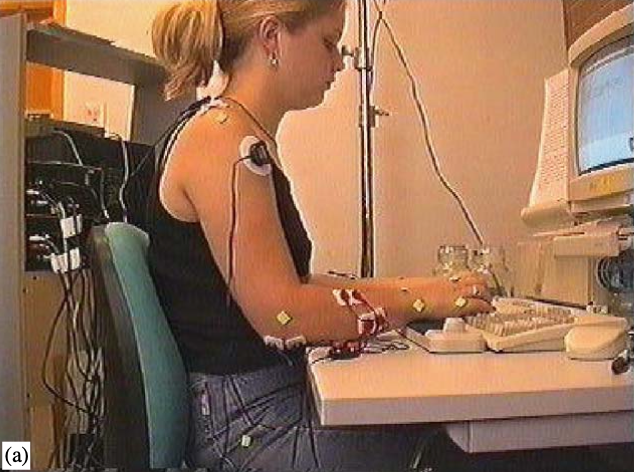
More fully conveyed:
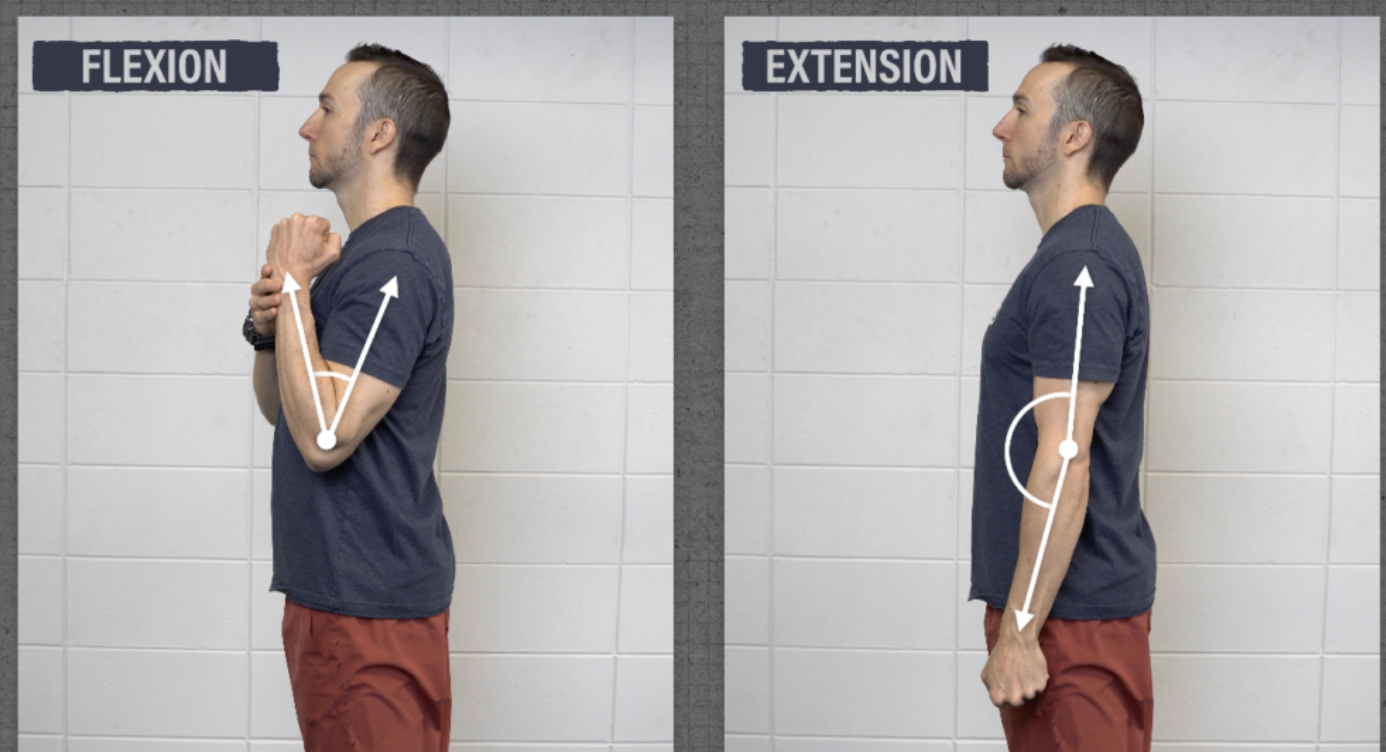
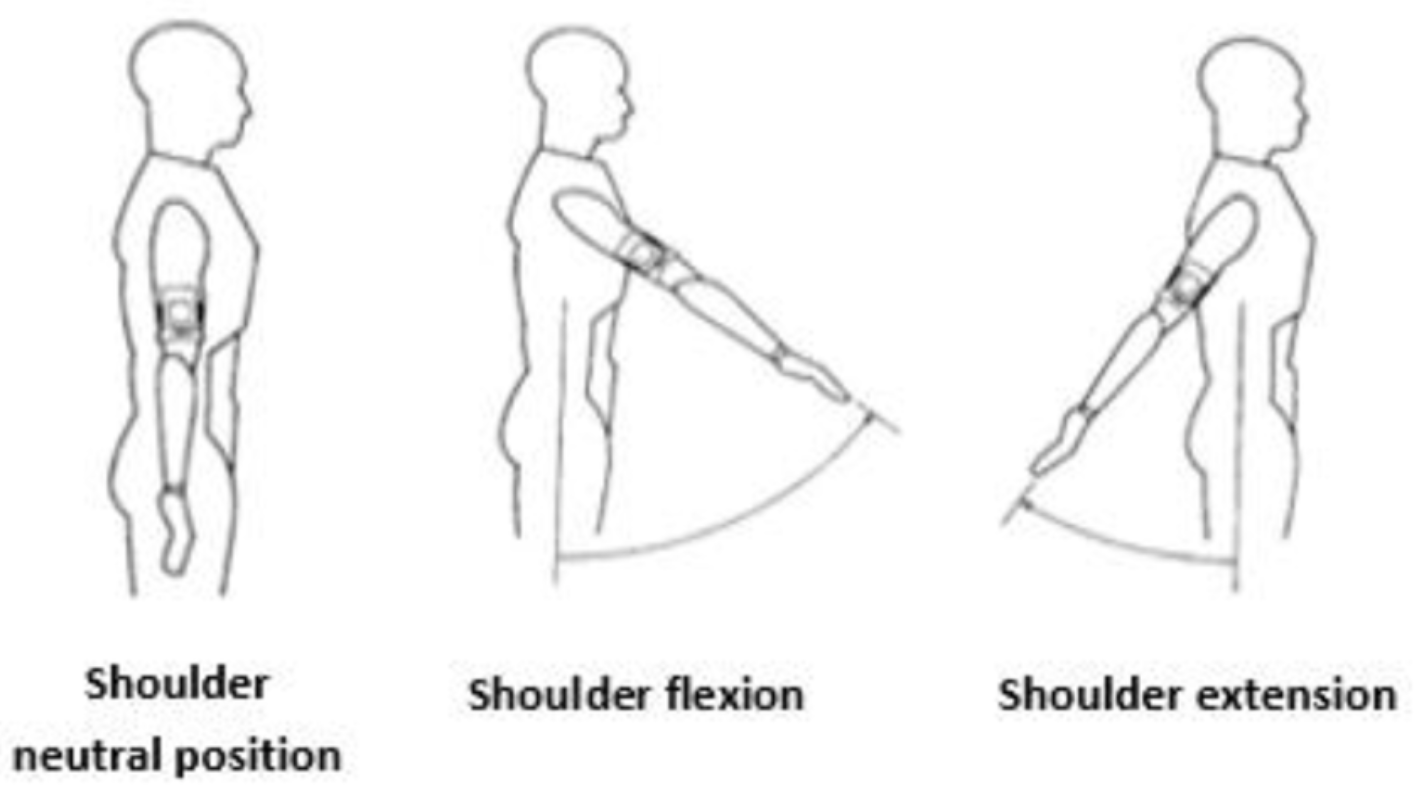
“...forearm support resulted in significantly greater shoulder flexion and elbow extension bilaterally due to placement of the keyboard at a greater distance from the edge of the worksurface.” p.288
In less jargon, both sides of the body had the shoulders working a bit harder, while it did support the wrists.
Wrist Support: the forum fave?
Was wrist support a path to better support? Depends on what body part we’re talking about. Wrist support did reduce trapezius (the muscle running from your neck to your shoulder) activity and anterior deltoid (front of the shoulder) activity. Wrist rests in this situation helped the participants relax their shoulders.
Here's the mechanical reason: wrist support keeps the keyboard close, so the shoulder stays in a more relaxed angle. Forearm support moves the keyboard further from the desk edge, which actually increases how much the shoulder flexes to reach it — good for the wrist, but the shoulder picks up the tab.
What body part should I focus on?
Looks like we’re a little bit all over the checkers board here (or chess board if that’s your thing). Here’s a handy-dandy chart:
No single setup fixes all the things, but support is better than none, it seems.
The researchers themselves close with a nudge: even the best conventional desk setup has limits. A workstation designed around neutral shoulder position from the start may do better than any wrist rest or arm support bolted onto a standard desk. Which probably means there's more to dig into here.
So where does that leave you? Floating is probably the one to retire. Forearm support is your wrist's best friend. Wrist support is your shoulder's best friend. If you're building out a new setup — or rethinking an existing one — it's worth asking which body part is complaining the loudest and starting there. And if the answer is all of them... Well, that's a conversation worth having.
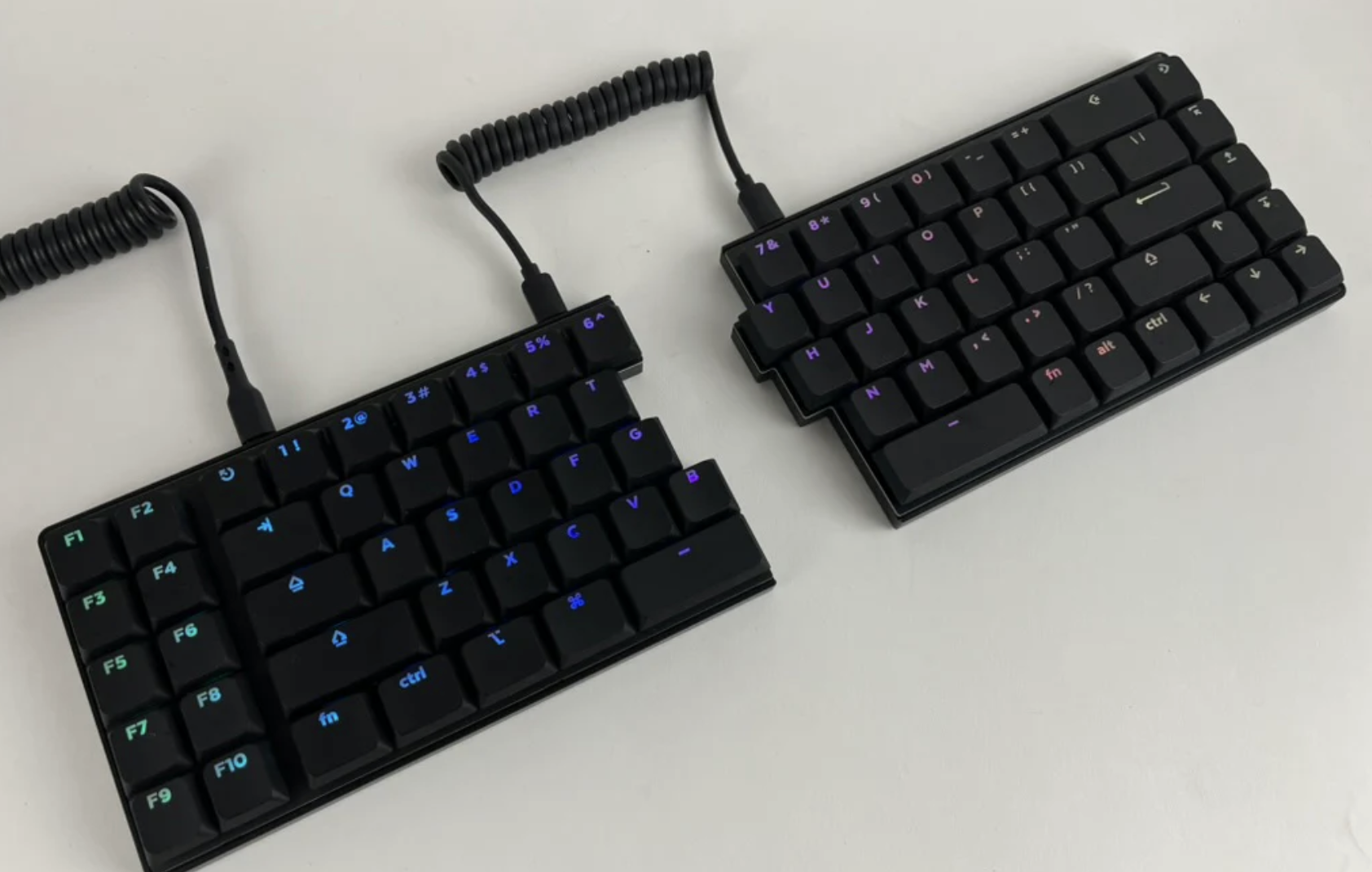
Curious about tinkering with the wrist-neutrality of your setup? We have a tenting stand kit designed to help split keyboard halves sit at a more wrist-friendly angle. You can swing by to tinker with them too if you’re local. :)
Into gaming? Sign up for our Keeb Quest email list for game recommendations every other week! (I'll also let you know if there's a sale I've noticed on Steam from time to time.) We’ve previously covered games like STRAY, PikuNiku and CAIRN!


Member discussion