


What on earth is this study?
The researchers for (take a breath) “Guidelines for Wrist Posture Based on Carpal Tunnel Pressure Thresholds” were seeking to create posture recommendations for the “design of tools and hand-intensive tasks.” These guidelines are limited to the scope of pressure caused by wrist positioning, rather than non-pressure causes of CTS.
With so much of our lives spent at our keyboards, the position of our wrists while we type is worth being aware of. Keyboard ergonomics focuses primarily on how our keyboards can serve us, instead of us working to adapt our bodies to our keyboard. So we’re in good company with the journal of Human Factors.
Method and Findings?
Carpal tunnel can develop from other sources beyond certain pressure thresholds being exceeded, but this study is focused only on pressure-induced CTS. Safe levels of pressure are under 10 mmHg. On the flip side, some “studies support a pressure threshold for nerve injury at or just below 30 mmHg.” These pressures were measured by inserting a catheter into the carpal tunnel.
One outstanding chart from the study showed the dramatic increase in pressure from extension over flexion.
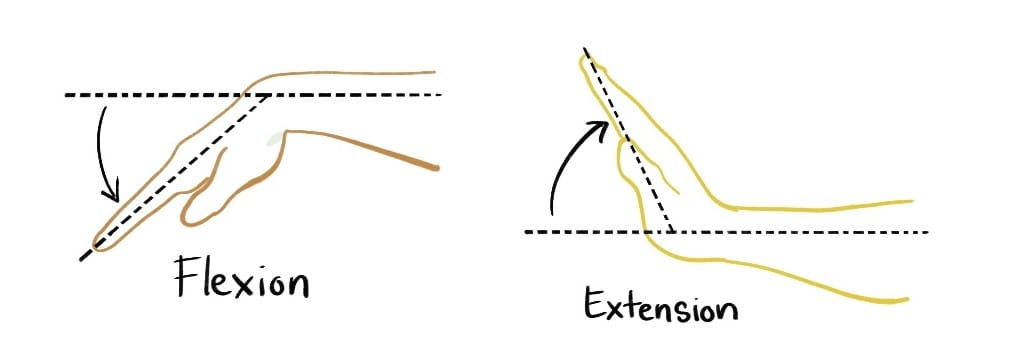
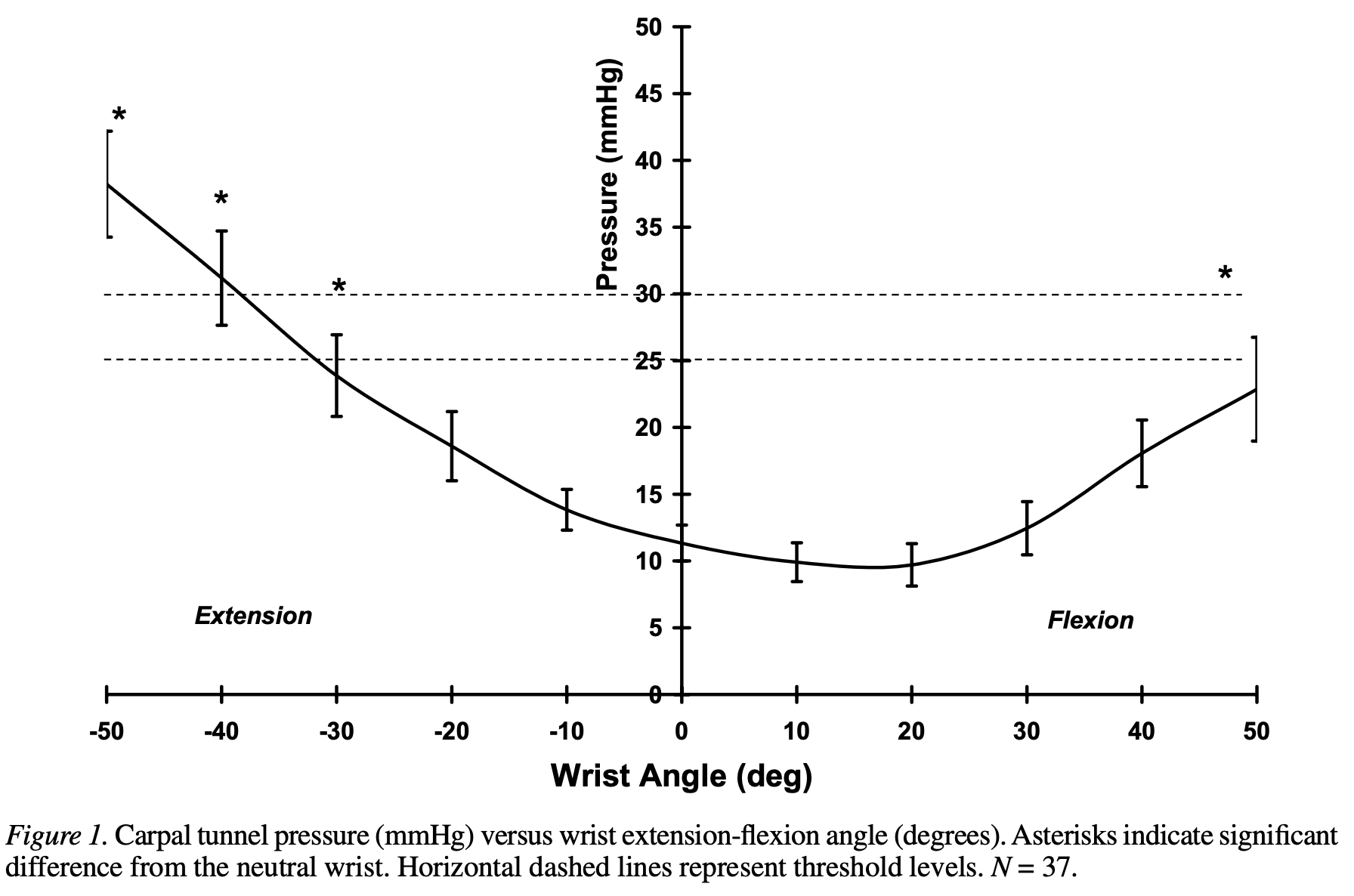
I mean, look at that spike in the curve! The pressure range in our carpal tunnel is intense at -50 degrees extension. Even more so when we compare it to the other side. Traditional row stagger keyboards explicitly put our wrists in extension, which seems egregious knowing we’ve had this data on the books since 2007. Almost 20 years!
With some participants not reaching the pressure threshold of 30 mmHg, it seems to suggest that individual variation is important. Take a look:
It’s great that we’re getting more detailed on identifying pressure thresholds that cause carpal tunnel, even if it’s not the entire population. Seeing the nuance here is valuable data!
Actionable steps
The cumulative studies coming together and then being further supported by this new study is a great leap forward in hand ergonomics. However, don’t worry too much if you use some of these hand positions and you haven’t seen any negative impact.
But let’s hear from them which postures “prevent mean CTP from exceeding 30 mmHg in 75% of the population.”
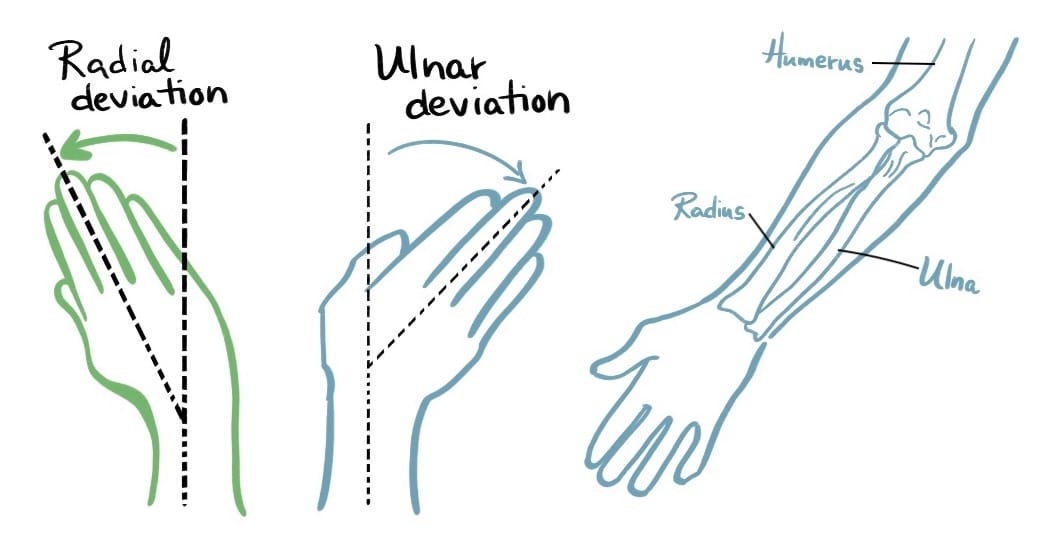
Individual variation is something that definitely matters, and 75% of the population of the participants isn’t all of them.
Based on the data gathered from animal studies, having 30 mmHg pressure for just 2 hours caused swelling and other harm inside the nerves. The presumption here being that something similar could happen to human nerves as well under a long stretch of time.
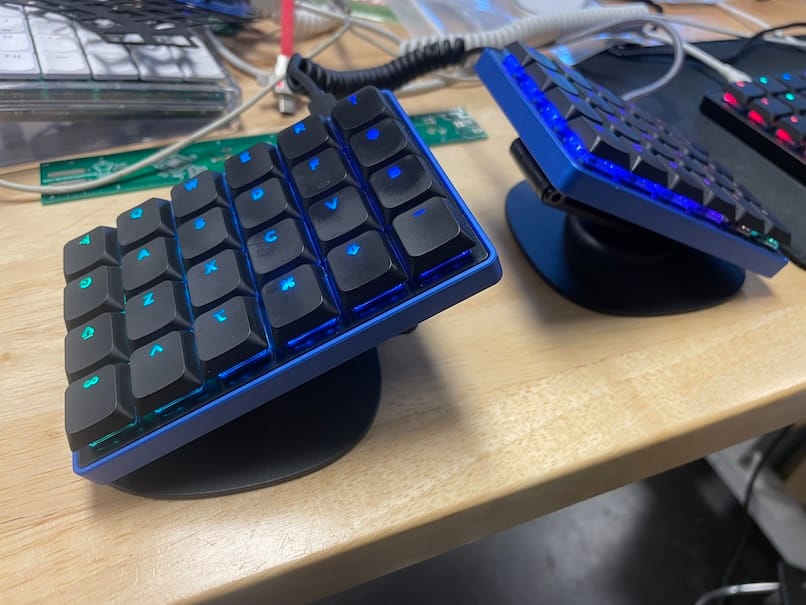
If tinkering with your split keyboard setup has you intrigued, it’s worth a trial period for yourself to see how your hands feel when you change things up. And now, you have more specific guidance than avoiding a ‘nonneutral’ position.
If the flexibility a split keyboard has brought you feels overwhelming and you don’t know where to start, get out your old grade school protractor to experiment for yourself with these guidelines as a helpful starting point.
Read the paper here: https://www.researchgate.net/publication/6490035_Guidelines_for_Wrist_Posture_Based_on_Carpal_Tunnel_Pressure_Thresholds
Member discussion